Mindsight Journey
Mindsight Journey
What It Does
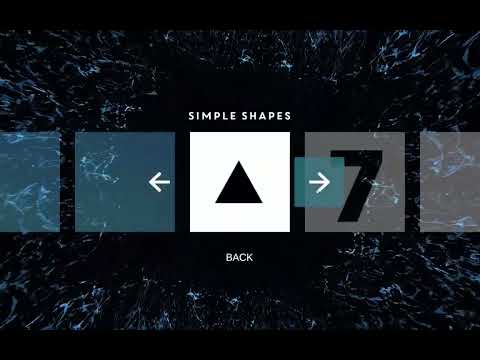
Mindsight Journey is an ESP and remote viewing training application built in Unity as a solo development project, available on iOS, Android, and Meta Quest. The goal is to help users open their vision without eyes, also called mindsight or local remote viewing, through structured exercises and guided meditation sessions. The app features guided meditation sessions that progressively train the user's extrasensory perception, a comprehensive progress tracking system that records accuracy and improvement over time, and a variety of exercise modes ranging from simple color identification to complex image recognition. The VR version takes the experience further by placing users in calming virtual environments that enhance focus and reduce external distractions during training sessions.
Building It Solo, Across Three Platforms
As the sole developer on Mindsight Journey, I designed and implemented the entire application from concept to release across three distinct platforms — iOS, Android, and Meta Quest VR. I built the exercise engine that presents randomized training sequences with configurable difficulty, timing, and feedback parameters. I developed the adaptive difficulty system that analyzes the user's historical accuracy data and progressively adjusts exercise complexity to maintain an optimal challenge level — neither too easy to feel meaningless nor too difficult to feel discouraging. I designed and implemented the comprehensive statistics and analytics dashboard that tracks accuracy percentages, improvement trends over time, session duration patterns, and streak records. I created the guided meditation audio system with layered ambient soundscapes, binaural beats, and voice-guided relaxation sequences that prepare users for training sessions. For the Meta Quest VR version, I built immersive virtual training environments — serene natural landscapes, abstract meditation spaces, and sensory isolation chambers — each designed to enhance focus and minimize distraction. I also implemented cross-platform cloud save functionality so users can seamlessly switch between their mobile device and VR headset while maintaining their complete training history and progress.
Keeping Mobile and VR in Sync
Building the same application across mobile and VR platforms from a shared Unity codebase required careful architectural planning. The UI paradigm is fundamentally different between flat-screen mobile (touch-based 2D UI) and VR (spatial 3D UI with gaze and controller interaction), so I developed an abstraction layer for user interface interactions that allows the core exercise and tracking logic to remain platform-agnostic while each platform implements its own presentation layer. The adaptive difficulty algorithm required thoughtful statistical design — it needed to differentiate between genuine skill improvement and random variance in user performance, using running averages and confidence intervals to make difficulty adjustments that feel responsive without being erratic. The randomization system for exercises needed to be provably fair and unpredictable, using cryptographically seeded random number generation to prevent any pattern recognition that could undermine training validity. Audio management was particularly important, as the meditation and training environments rely on precisely timed audio cues, ambient layers, and binaural beat frequencies that require accurate sample-level playback. For the VR version, I optimized the immersive environments to run smoothly on standalone Meta Quest hardware while maintaining the visual quality needed for calming, meditative spaces — this involved baked lighting, optimized shader complexity, and careful polygon budgeting for environmental detail.
Where It Stands Today
Mindsight Journey shipped on iOS, Android, and Meta Quest and has stayed live and maintained since launch. Building one shared exercise/tracking core across a touch-based mobile UI and a fully spatial VR UI was the main architectural lesson from this project, and the adaptive-difficulty and cross-platform save systems I built here have informed how I approach multi-platform projects since.
Project Videos
Screenshots