Eagle Flight Arcade
Eagle Flight Arcade
The Vision
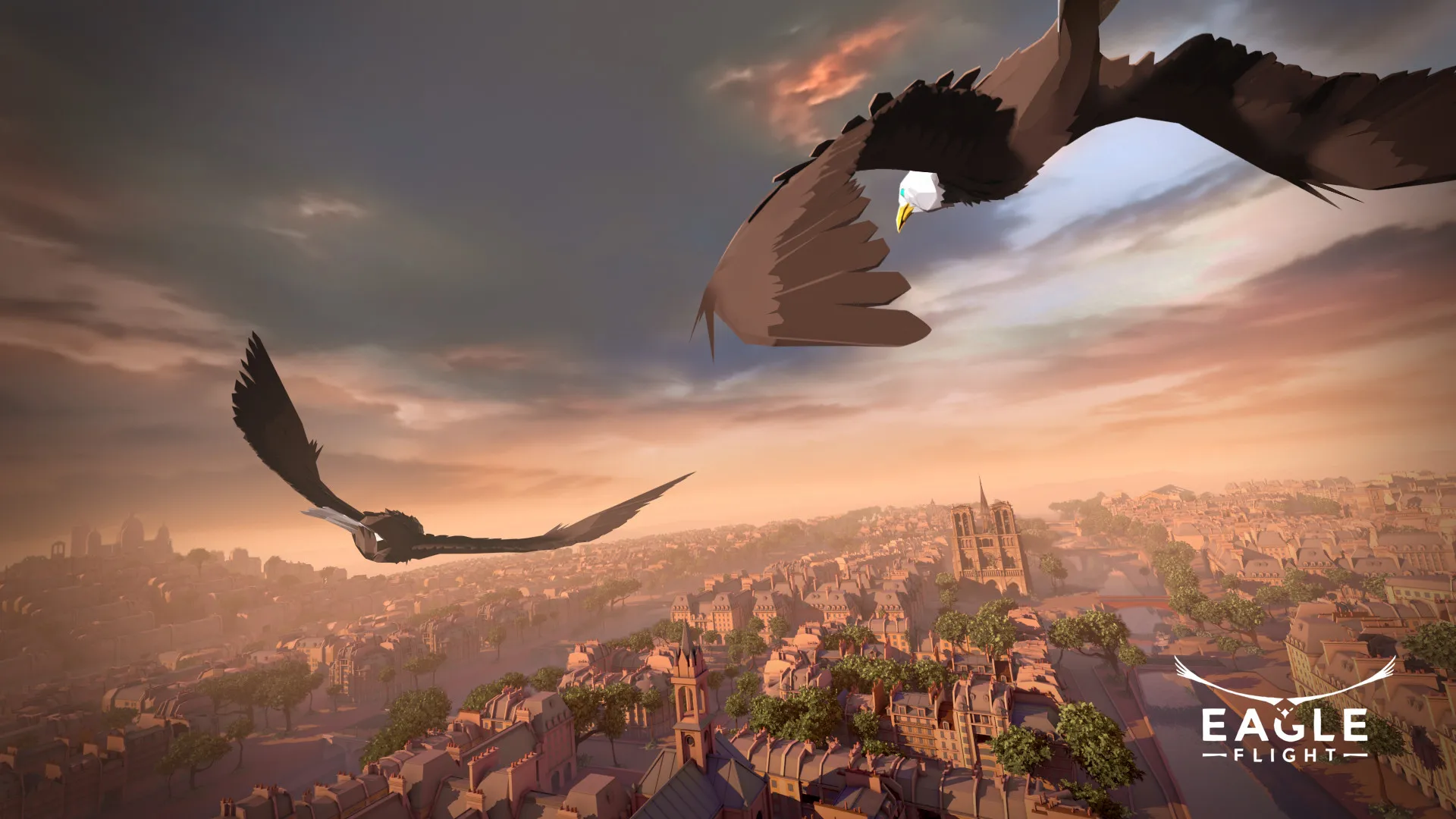
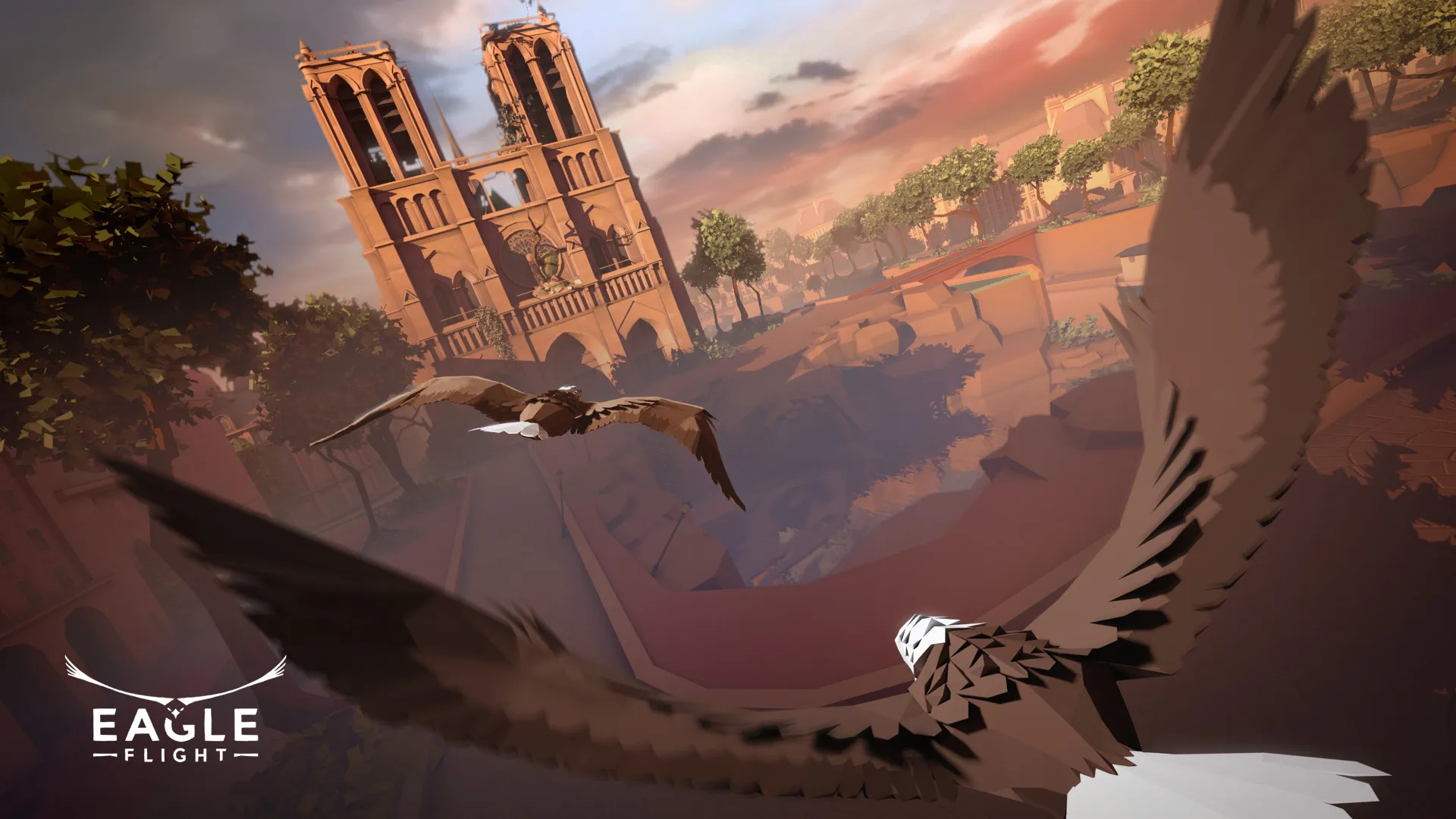
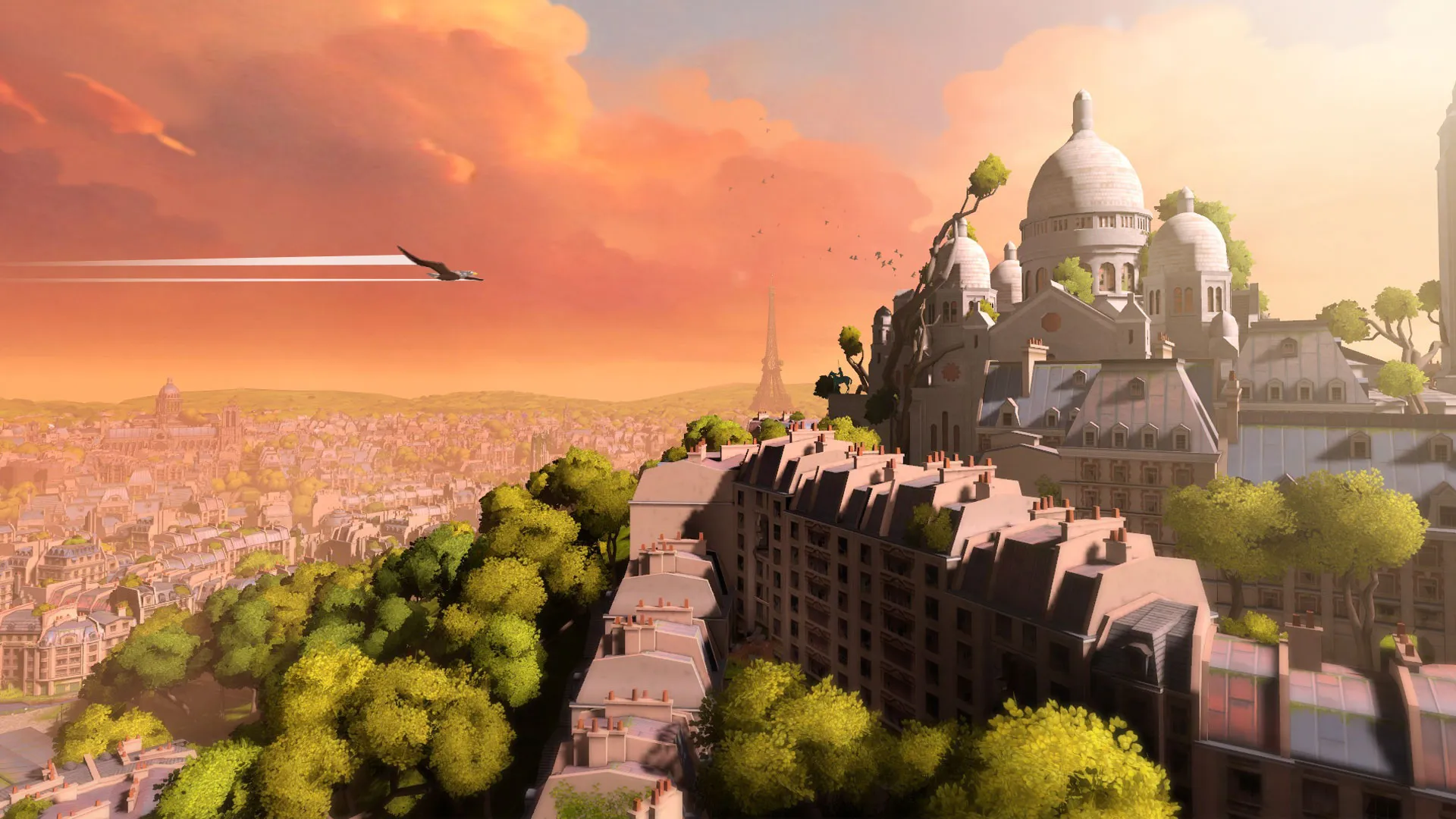
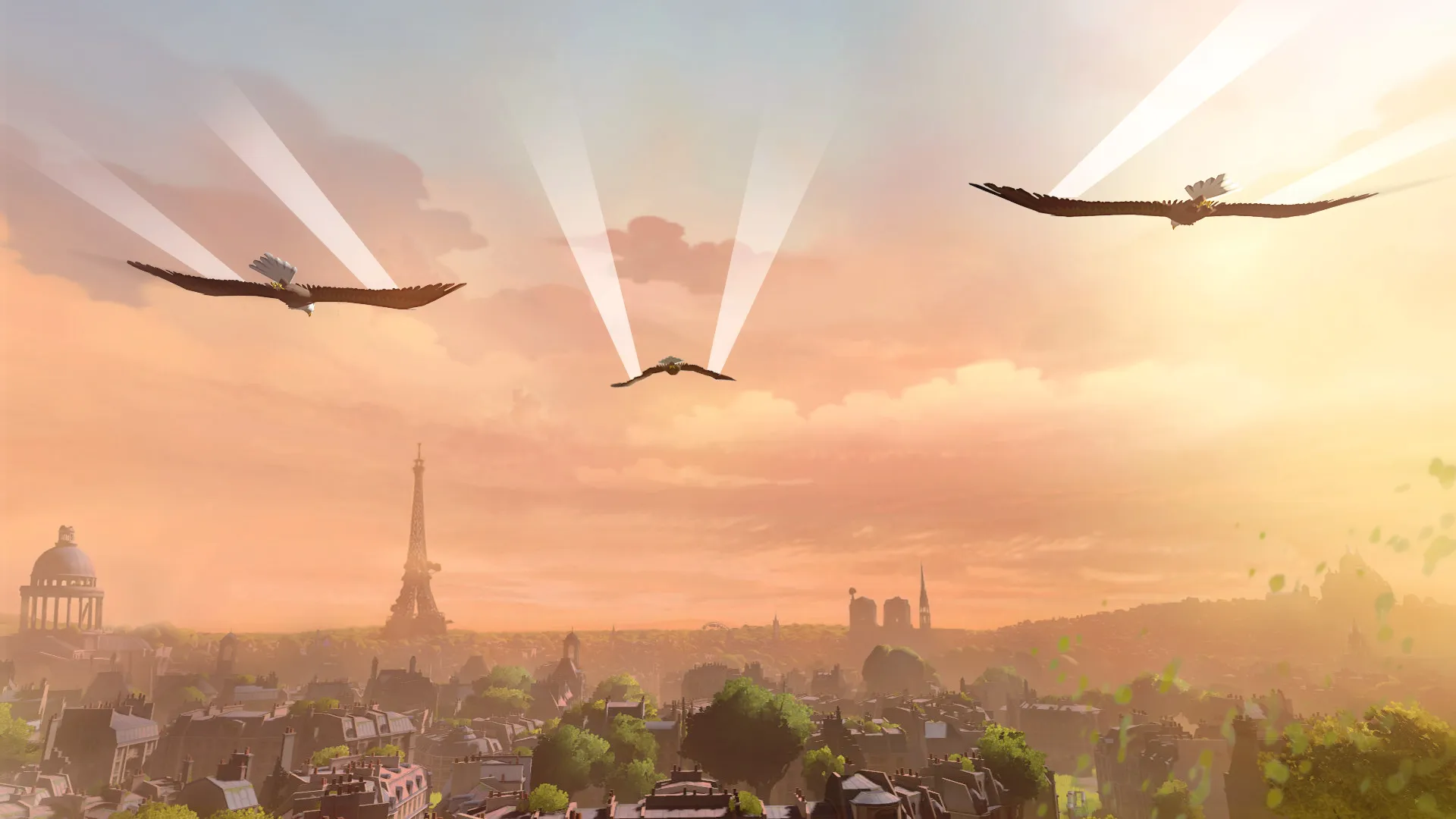
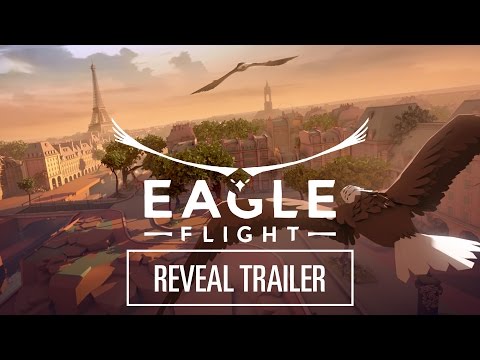
Developed exclusively for VR at Ubisoft Montreal, Eagle Flight sends you to the skies of Paris to experience the freedom of flying like never before. As a gameplay programmer on the team, I contributed to building one of the first major VR titles from a AAA studio, working within Ubisoft's proprietary C++ engine to deliver a polished and groundbreaking experience. As an eagle, you soar past iconic Parisian landmarks and dive through narrow streets in order to fight opponents and protect your territory. The game features both a rich single-player exploration mode, where players discover a lush version of Paris reclaimed by nature, and an intense multiplayer aerial combat mode where teams of eagles battle for supremacy in the skies.
My Role as Gameplay Programmer
As a gameplay programmer embedded within a multidisciplinary AAA team at Ubisoft Montreal, I worked on several critical systems that define the player experience in Eagle Flight. My primary responsibilities included implementing the flight mechanics and control scheme, which translated the player's head movements into smooth, responsive eagle navigation. I contributed to the aerial combat system, programming the lock-on targeting, projectile physics, and hit detection that make multiplayer dogfights feel both fair and exhilarating. I also worked on the AI systems for single-player missions, scripting enemy eagle behaviors and patrol patterns that challenge the player without overwhelming them. Collaborating closely with game designers and QA testers, I iterated on control sensitivity curves and response timings to ensure the flight experience felt natural across all three supported VR headsets. This was a highly collaborative environment with over 40 developers, and working within Ubisoft's proprietary C++ engine required deep understanding of the existing codebase and tooling pipeline.
Solving VR Comfort at High Speed
The most significant technical challenge was designing a VR locomotion system that allowed for fast, acrobatic flight without causing motion sickness. At the time, VR was still in its infancy as a consumer platform, and there were very few established best practices for high-speed movement in virtual reality. The team developed innovative comfort techniques, including dynamic field-of-view adjustments that subtly narrowed the peripheral vision during sharp turns and rapid acceleration. We implemented natural head-tilt controls where the player physically tilts their head to steer the eagle, which provided an intuitive mapping between physical and virtual movement that significantly reduced nausea. Optimizing rendering performance was another major challenge, as maintaining a rock-solid 90 FPS across all three target platforms — PSVR, Oculus Rift, and HTC Vive — was non-negotiable for VR comfort. I worked with the rendering team on LOD systems, occlusion culling strategies, and shader optimizations specifically tailored to the unique demands of stereo rendering. The multiplayer networking stack also required careful attention, as even minor latency spikes could break immersion and cause discomfort in VR.
Legacy
Eagle Flight launched on PSVR, Oculus Rift, and HTC Vive as one of Ubisoft's first AAA VR titles. The comfort techniques the team developed — dynamic FOV narrowing during sharp turns, head-tilt steering mapped directly to physical movement — were built to solve a problem the industry didn't yet have established answers for: fast, acrobatic VR locomotion without motion sickness. Working on that system early in VR's consumer life is what shaped my approach to comfort-first design in every VR project since.
Project Videos
Screenshots