O.Zen
O.Zen
What It Does
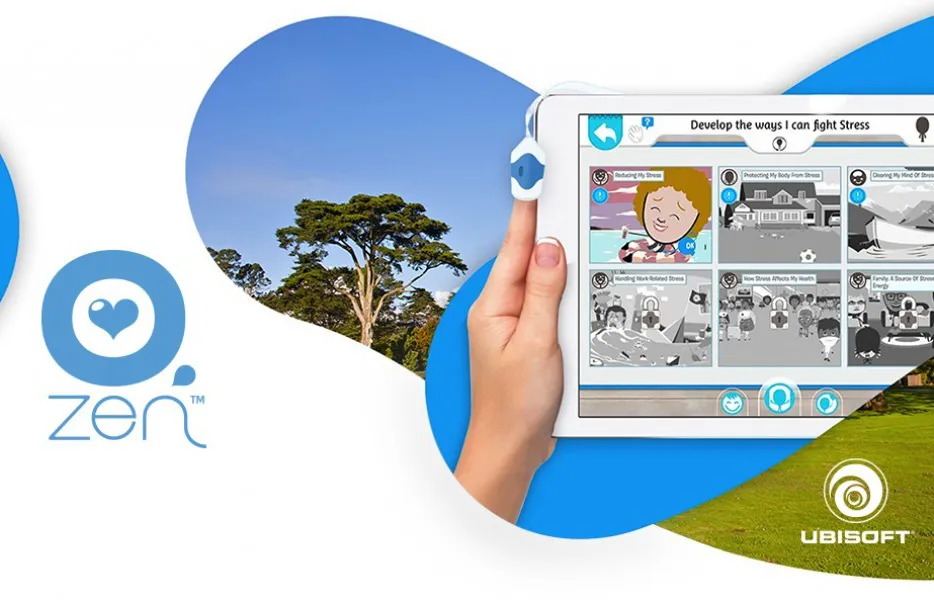
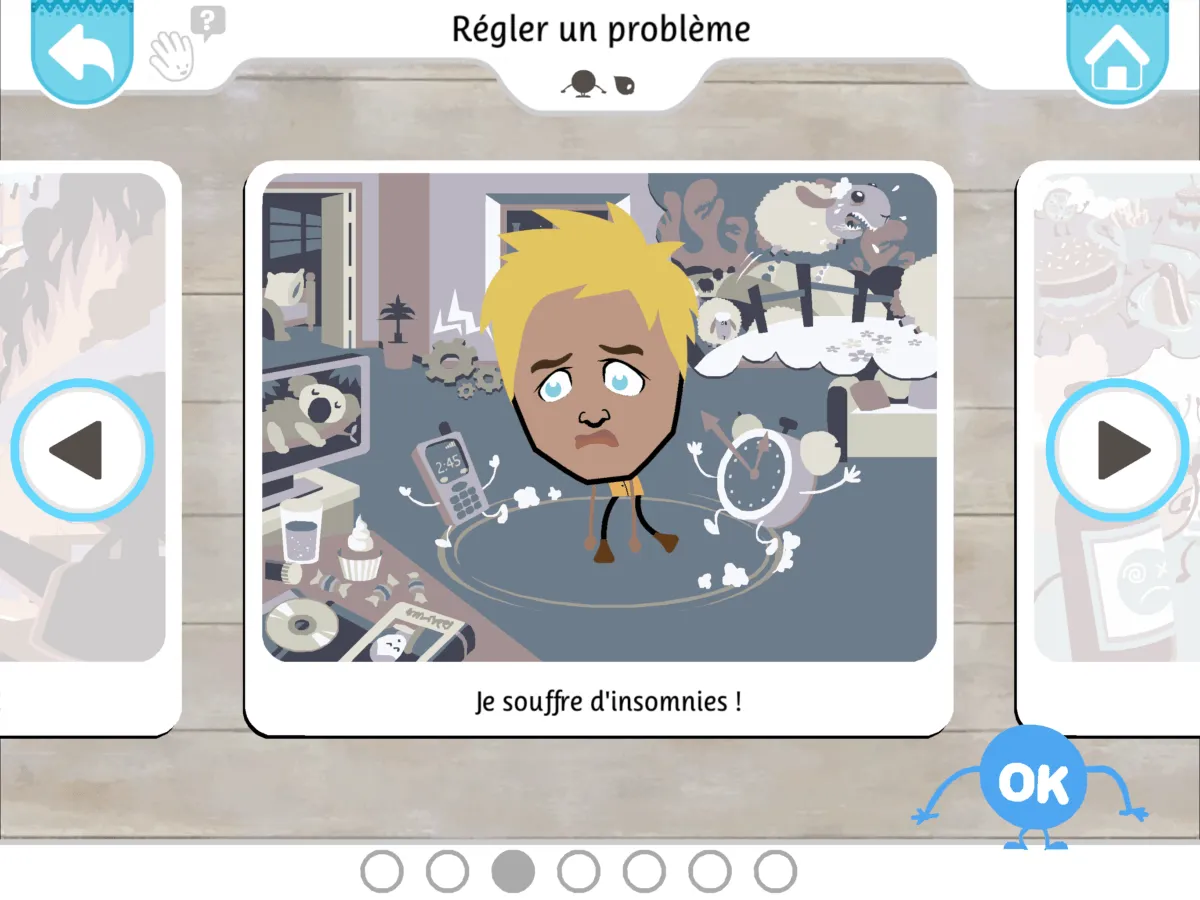
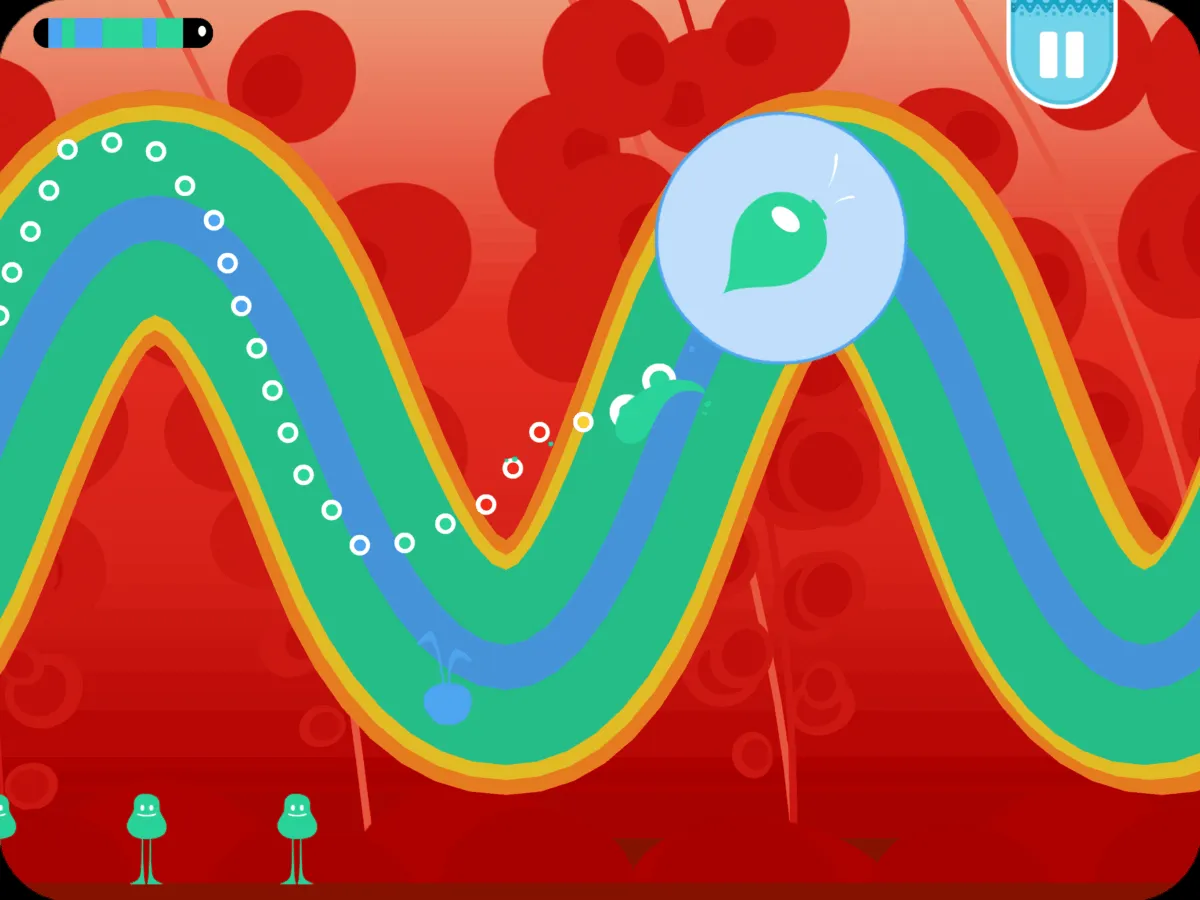
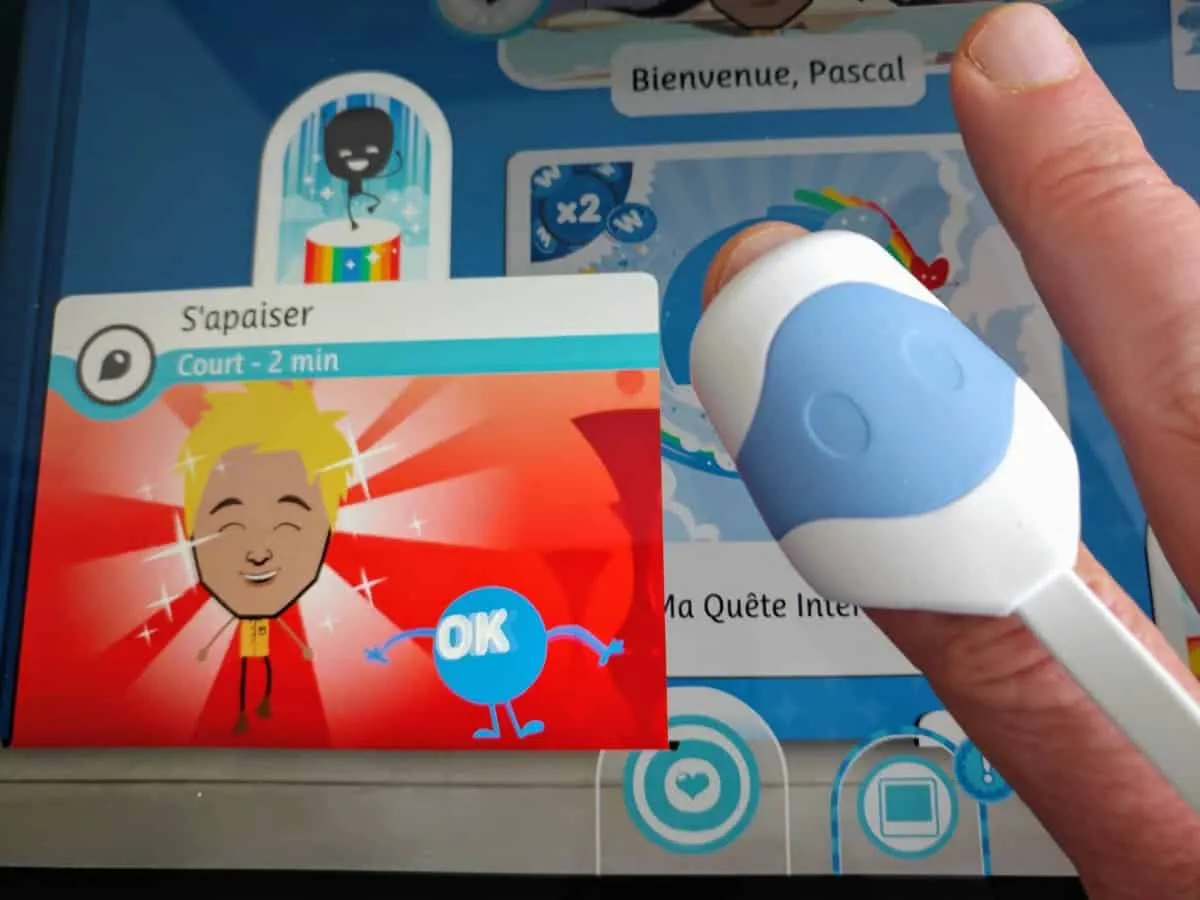
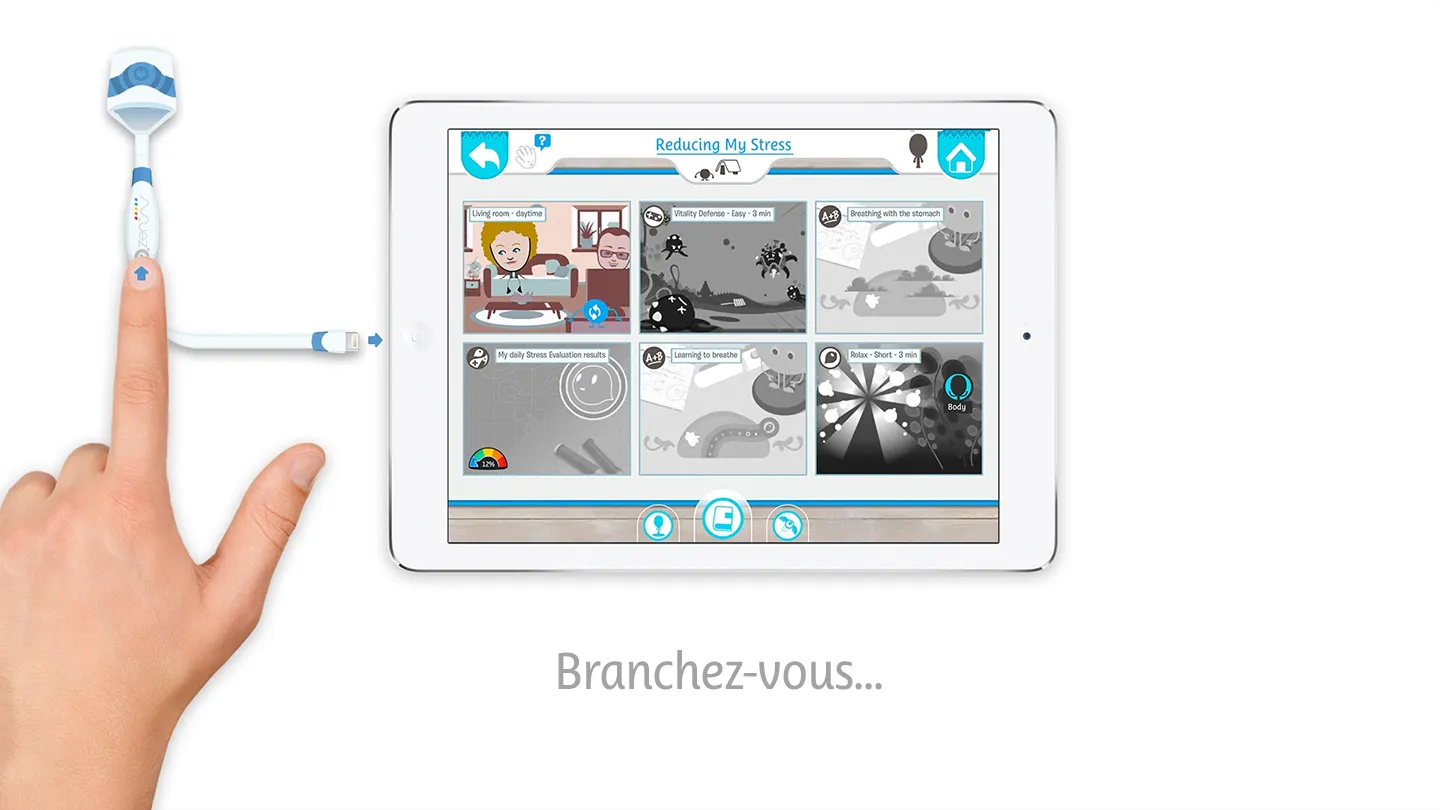
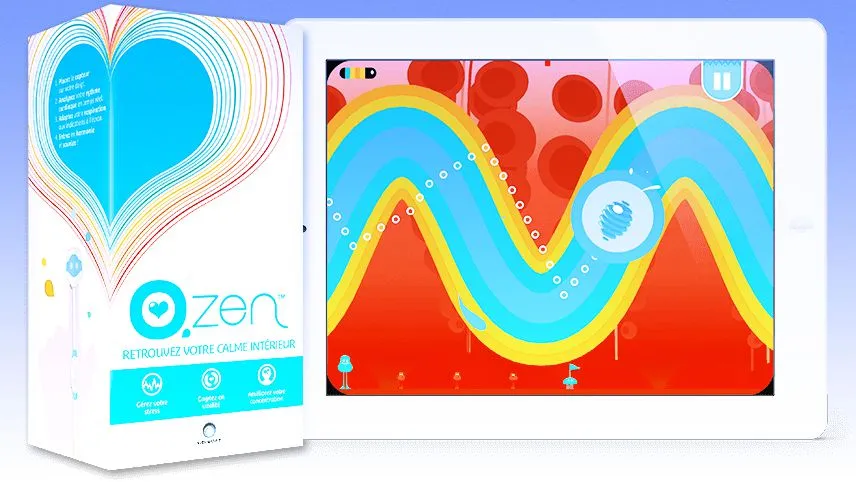
O.Zen is a biofeedback video game developed at Ubisoft Lille and released on iOS and Android platforms in late 2015. The game uses biofeedback technology, specifically heart rate variability (HRV) monitoring through a connected sensor, to help players understand their stress levels and learn to manage them through gamified exercises. Players engage in a series of calming mini-games and challenges that respond in real time to their physiological state, rewarding relaxation and coherent breathing patterns with in-game progress. O.Zen represents an innovative intersection of gaming and wellness technology, demonstrating how interactive entertainment can serve a genuine health purpose beyond traditional gameplay.
My Role on the Ubisoft Lille Team
As a developer on the O.Zen project at Ubisoft Lille, I contributed to the gameplay systems and the biofeedback integration that set this title apart as a pioneering use of health technology in gaming. I worked on the mini-game implementations that translate biometric feedback into engaging gameplay interactions — designing systems where the player's heart rate coherence directly influences game states, visual environments, and score progression. I contributed to the HRV data processing pipeline that receives raw sensor data via Bluetooth, applies signal filtering to remove noise and artifacts, and converts the cleaned biometric signal into gameplay-relevant parameters in real time. I helped implement the breathing guidance system that visually coaches players toward coherent breathing patterns, synchronizing on-screen animations with optimal inhale-exhale timing. I also worked on the progression system that tracks the player's stress management improvement over days and weeks of practice, providing motivating feedback loops that encourage regular use. Collaboration with the health science advisors on the team ensured that the gameplay mechanics accurately reflected established biofeedback therapy principles.
Turning Heart-Rate Data Into Gameplay
The most significant technical challenge was creating a reliable and responsive connection between the HRV sensor hardware and the Unity game engine. Bluetooth Low Energy communication with wearable sensors introduced variable latency and occasional signal drops that could disrupt the gameplay experience if not handled gracefully. I contributed to the signal processing layer that buffers incoming data, interpolates across gaps, and applies real-time filtering algorithms to extract clean HRV metrics from noisy raw signals. The system needed to distinguish genuine physiological changes from sensor artifacts — motion noise, poor skin contact, and electrical interference could all produce misleading readings that would break the biofeedback loop. We implemented confidence scoring for incoming data so the game could adapt its responsiveness based on signal quality, maintaining an engaging experience even when sensor conditions were suboptimal. Another challenge was designing mini-games that are genuinely fun while being controlled by an unconventional input — the player's physiological state. Traditional game design relies on instantaneous player inputs, but heart rate and breathing patterns change slowly and involuntarily, requiring a fundamentally different approach to responsiveness, feedback timing, and difficulty progression. We developed game mechanics that operate on longer timescales, rewarding sustained relaxation states rather than quick reflexes, while still providing enough moment-to-moment visual and audio feedback to maintain engagement.
Where It Fits
O.Zen released on iOS and Android as one of Ubisoft Lille's earlier explorations of biofeedback-driven gameplay. The central technical challenge was working with a physiological input that changes slowly and involuntarily, heart-rate variability over Bluetooth, which meant designing mini-games around sustained relaxation states rather than the instantaneous inputs most game design assumes, plus a confidence-scoring layer to keep the experience stable when sensor data got noisy. It's one of the more unconventional inputs I've built gameplay around, and it broadened how I think about what counts as a game controller.
Project Videos

Screenshots