Hop Hop Delivery
Hop Hop Delivery
The Idea
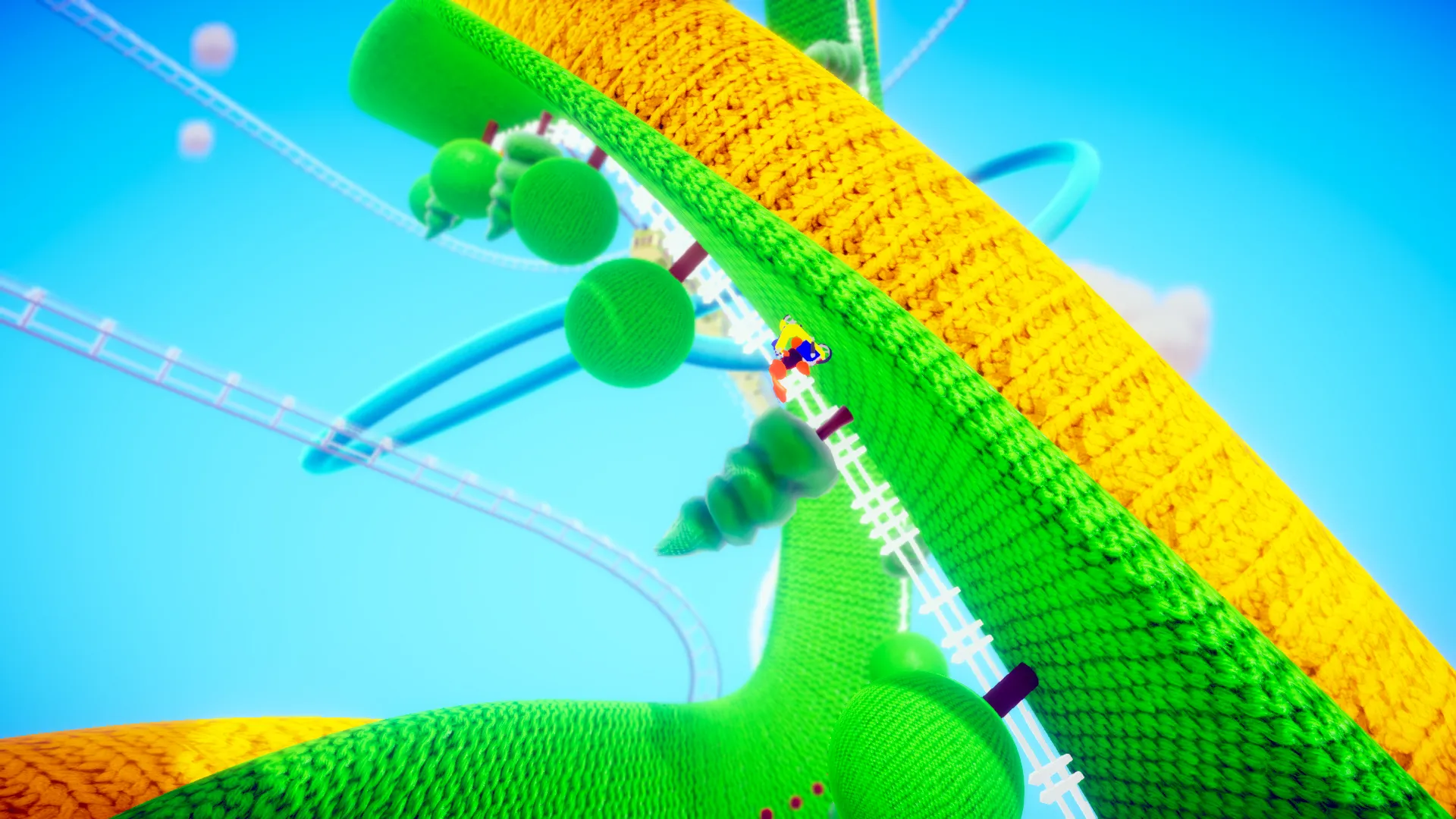
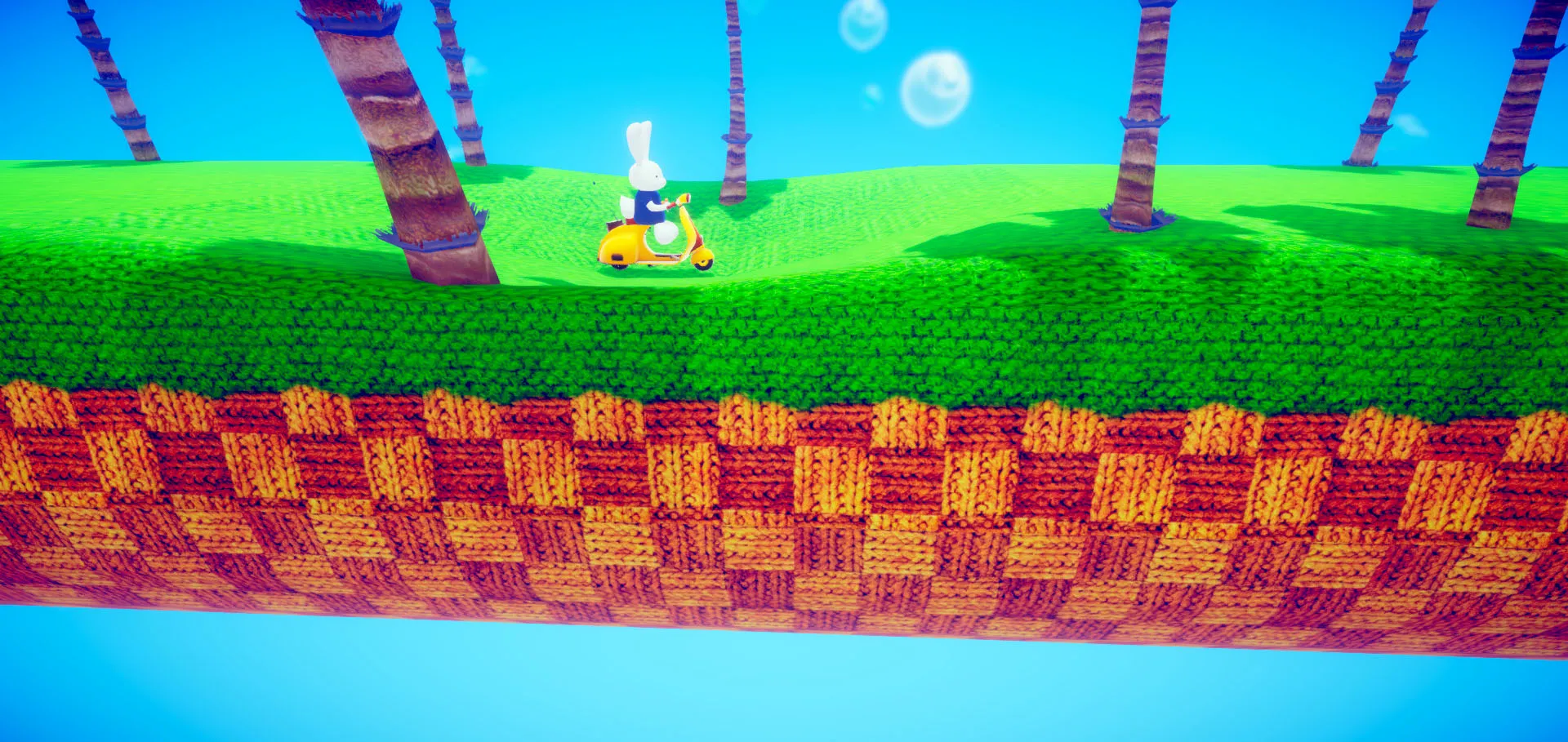
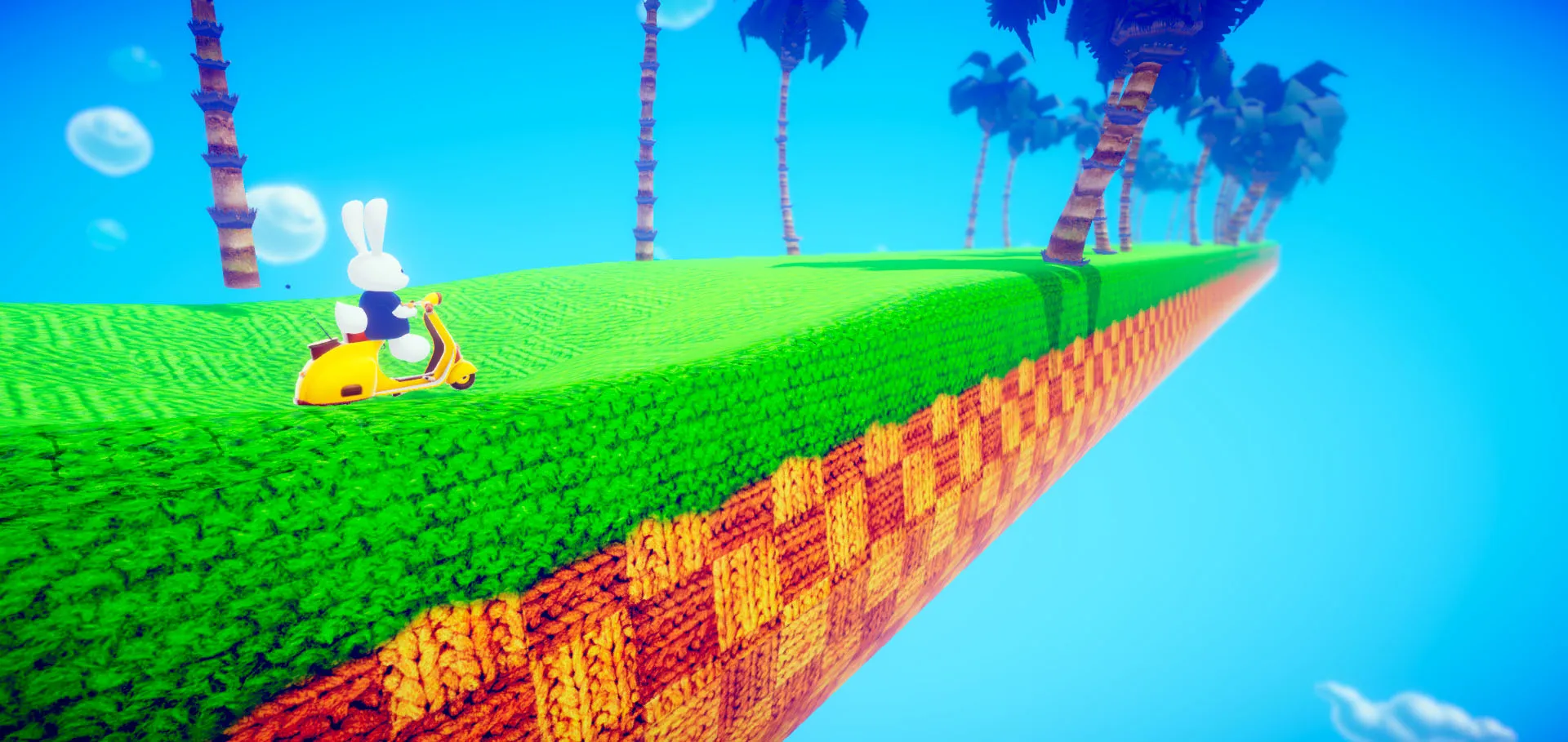
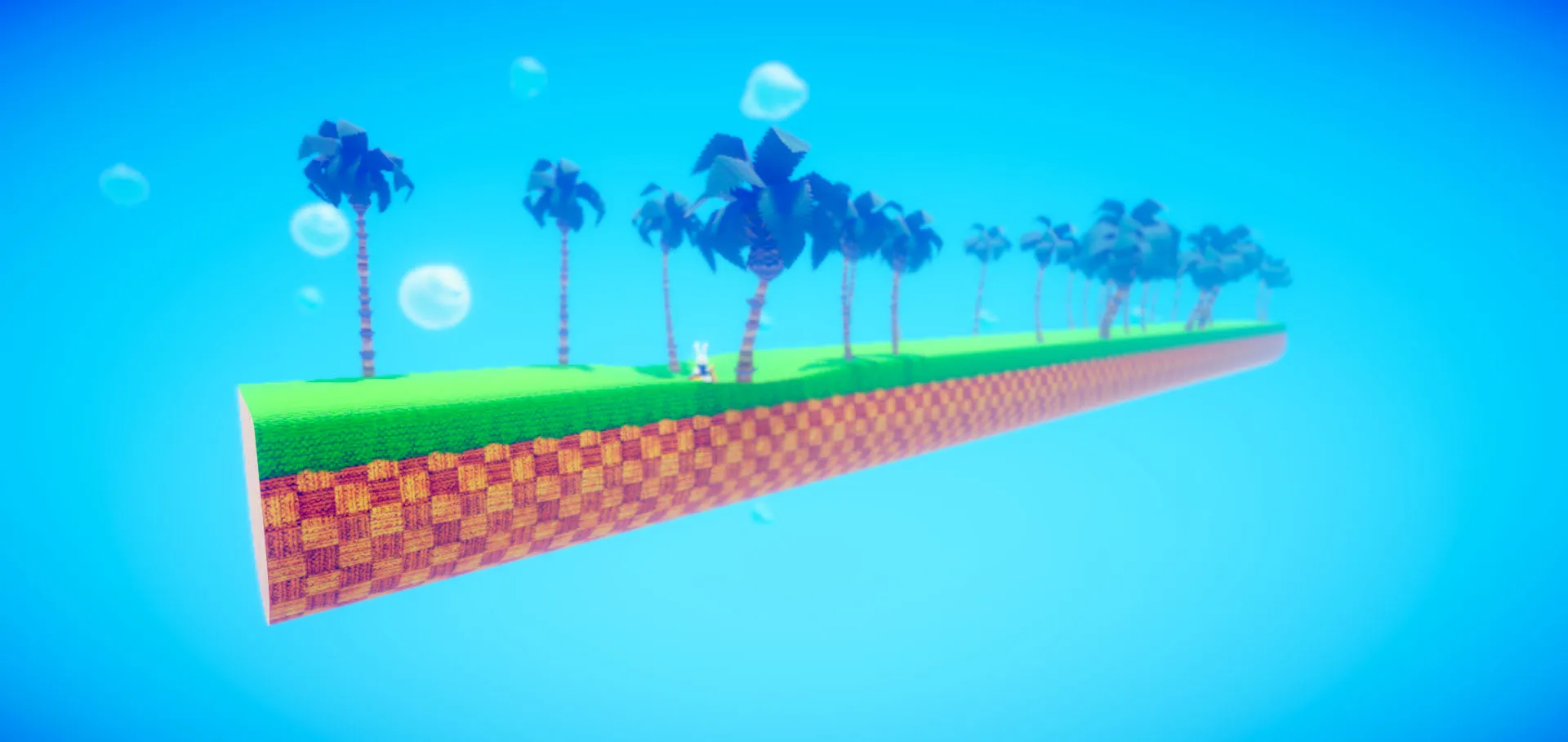
Hop Hop Delivery is a physics-based delivery game built in Unity, where you run your very own goofy little delivery company. Your goal is to find and deliver animals and objects of all kinds through crazy, creative, and deformable levels using different types of vehicles impacted by realistic physics. Each level presents unique puzzles that require creative thinking and skillful driving to navigate obstacles, ramps, and destructible environments. The colorful art style and lighthearted tone make it appealing to a wide audience, while the increasingly challenging level design keeps experienced players engaged.
Solo, End to End
As the sole developer on Hop Hop Delivery, I handled every aspect of the game from concept through to mobile release. I designed and implemented the core vehicle physics system, giving each vehicle type — from bouncy trucks to wobbly carts — its own distinct handling profile with individually tuned suspension, weight distribution, and acceleration curves. I built the deformable terrain system that allows environments to react dynamically to player actions and vehicle impacts. I designed over 30 levels with escalating complexity, each introducing new environmental mechanics, obstacle types, and delivery challenges. I created the delivery item system where different cargo types — animals, fragile objects, heavy loads — affect vehicle handling in unique ways, adding strategic depth to each level. I developed the touch control system specifically optimized for mobile play, with intuitive tilt and swipe mechanics that make the physics-based gameplay accessible on small screens. I also implemented the progression system, star ratings, and achievement tracking that motivate players to replay levels for better scores.
Making Terrain Deform in Real Time
The deformable terrain system was the most technically challenging feature to implement. Unlike static level geometry, deformable terrain requires real-time mesh modification based on collision data — when a vehicle drives through soft ground or crashes into a destructible wall, the mesh needs to deform convincingly while maintaining collision accuracy for subsequent physics interactions. I implemented this using a vertex displacement system driven by impact force and contact area, with deformation data persisted throughout each level attempt so that terrain damage accumulates naturally. Balancing the vehicle physics for mobile was another significant challenge — the gameplay needed to feel chaotic and entertaining while remaining controllable with imprecise touch inputs. I developed an adaptive assist system that subtly stabilizes vehicles without removing the sense of physicality and unpredictability that makes the game fun. Performance optimization for mobile hardware was critical, as the combination of real-time physics simulation, deformable meshes, and particle effects from environmental destruction could easily overwhelm lower-end devices. I employed object pooling for physics debris, LOD systems for distant level geometry, and efficient collision layer management to keep the frame rate stable across a wide range of iOS and Android hardware.
What Shipped
Hop Hop Delivery shipped on iOS and Android as a solo project covering vehicle physics, deformable terrain, level design, and mobile-optimized controls. The deformable-terrain system — real-time mesh modification driven by collision data, with damage persisting through a level attempt — was the hardest technical problem here, and solving it within mobile hardware constraints is what I'd point to as the project's core achievement.
Project Videos

Screenshots