Homobulla
Homobulla
The Concept
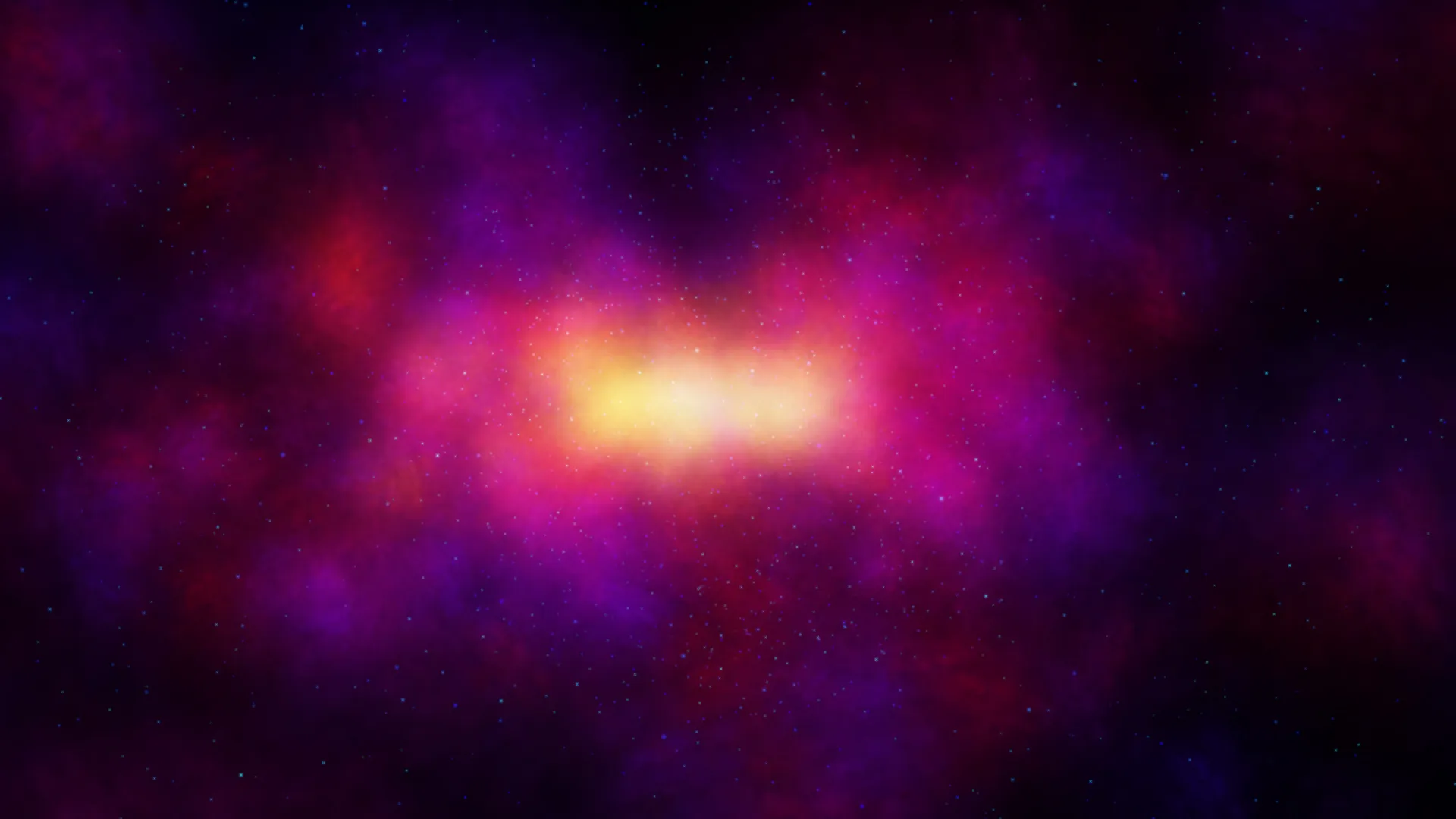
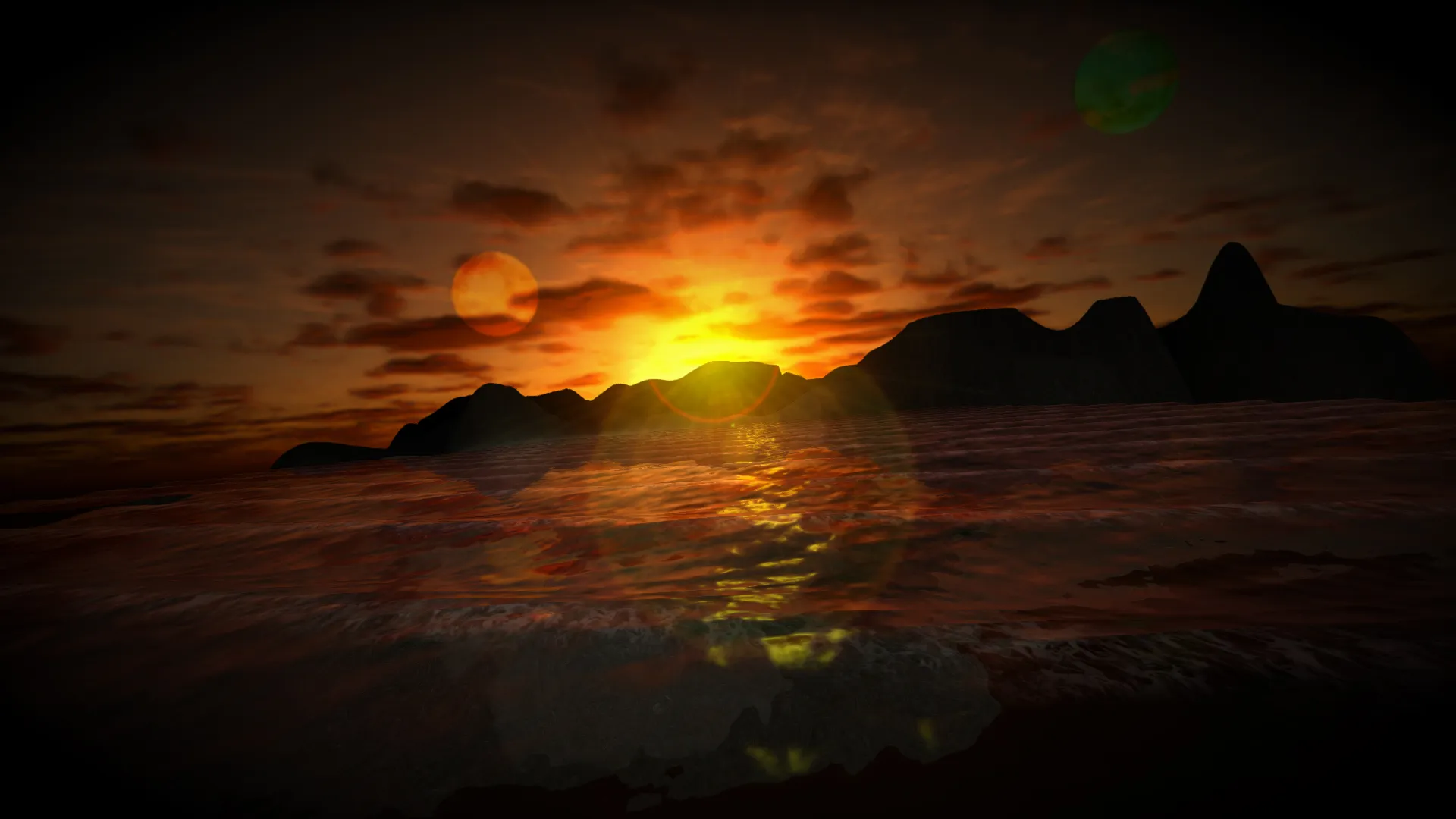
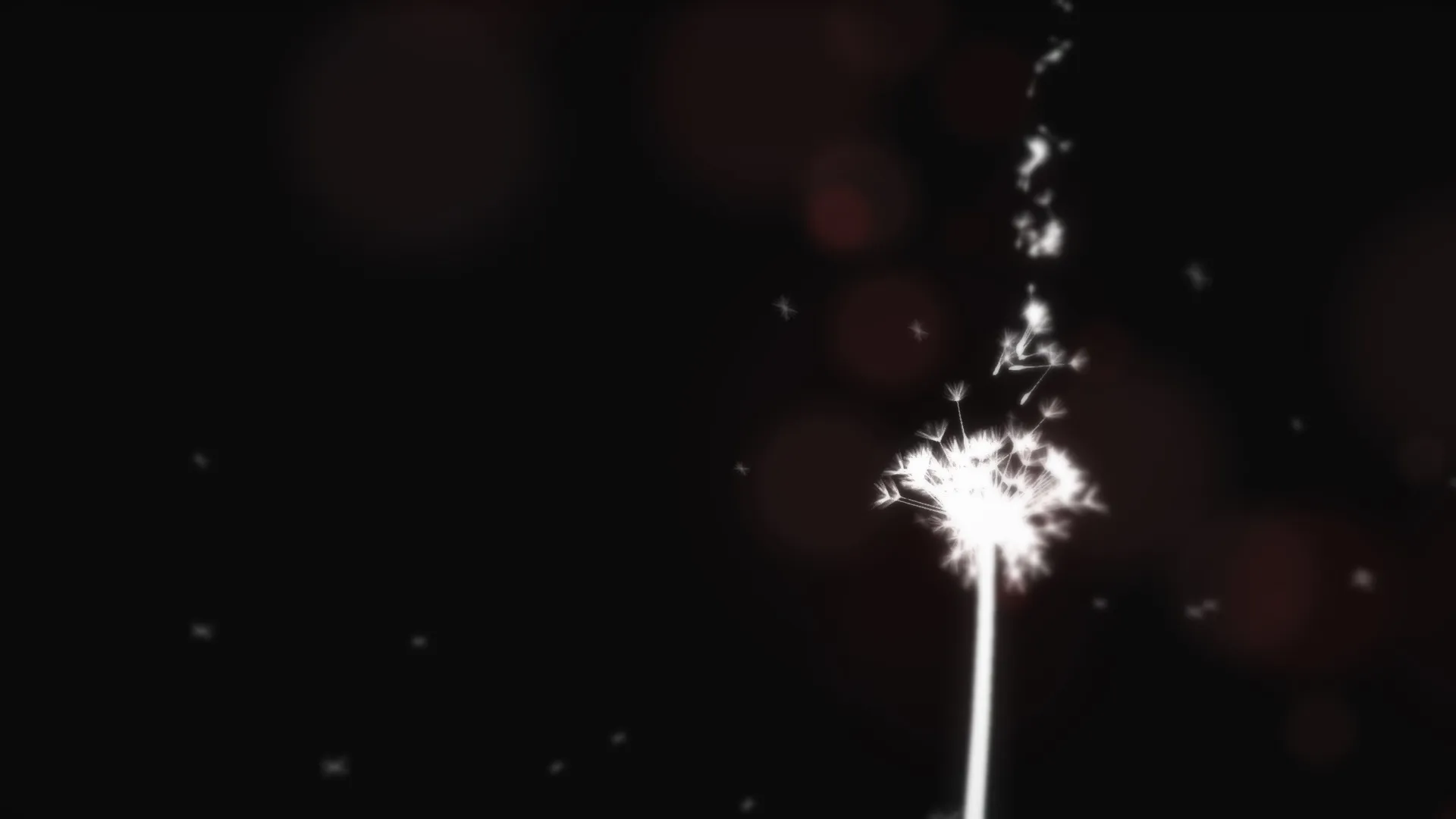
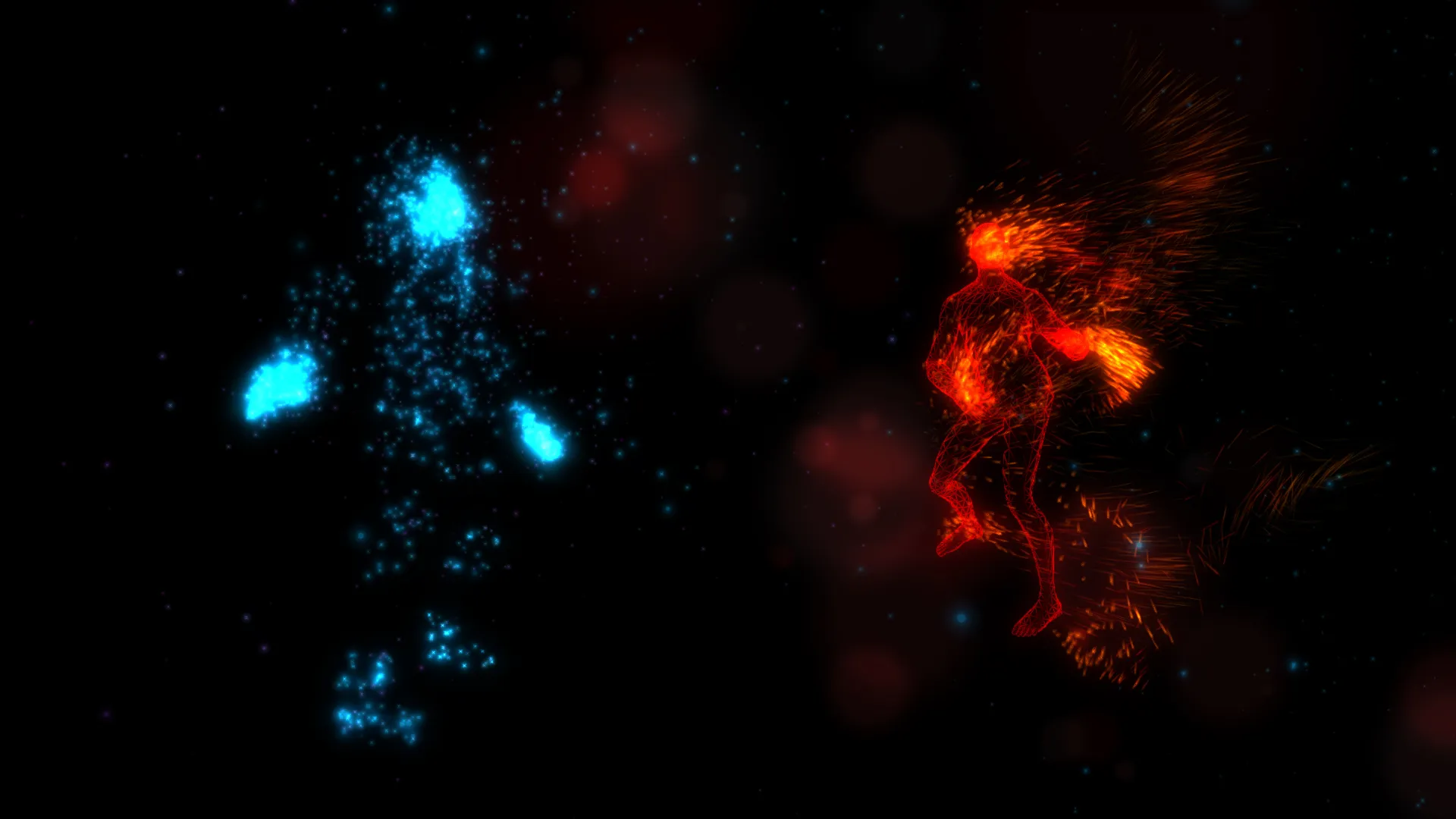
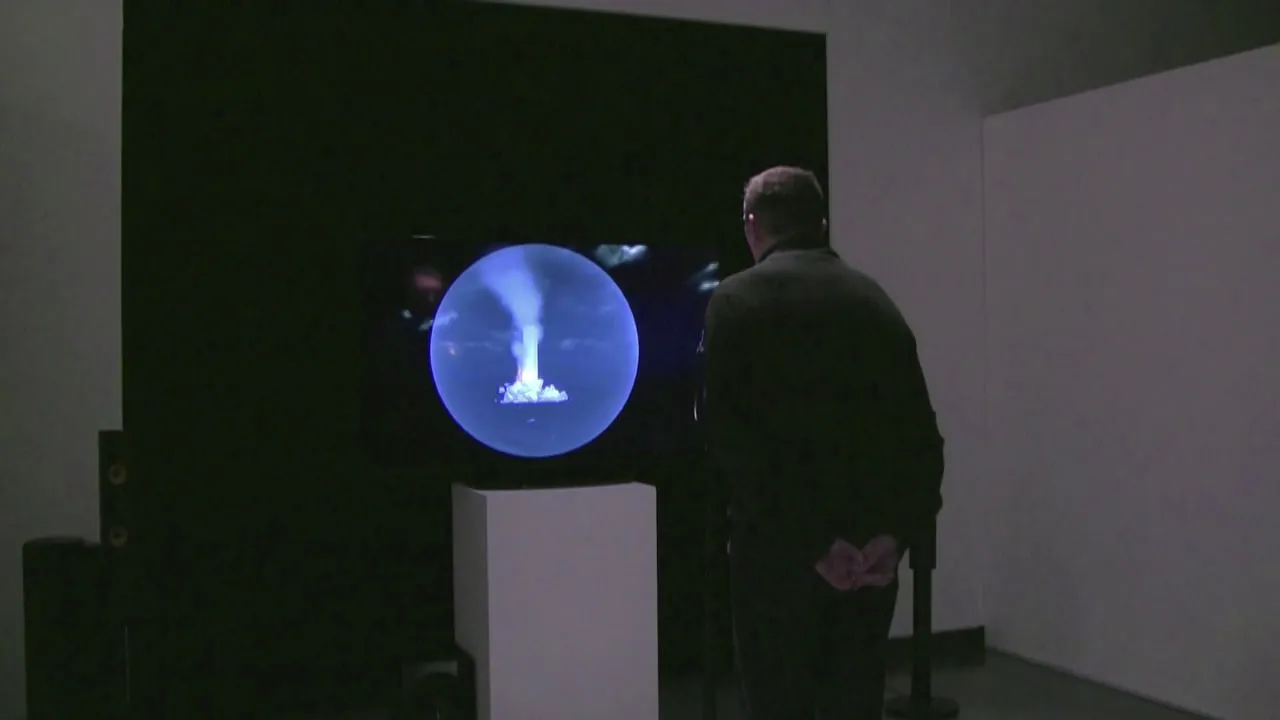
Homo Bulla is an interactive art installation built in Unity with custom hardware, exhibited at art galleries and cultural events. The installation uses the viewer's breath as a means of exploring and activating audiovisual sequences. By blowing on a tangible interface equipped with custom breath sensors, the viewer triggers various sequences representing the genesis. The viewer then activates a journey that he or she modulates through his or her breath, determining the modalities and variations of a visual and sound writing in the making. The installation explores themes of fragility and existence, drawing from the Latin expression "homo bulla" meaning "man is a bubble," reminding us of the ephemeral beauty of life.
Bridging Hardware and Software
As the lead developer on Homo Bulla, I was responsible for the entire technical implementation of the installation, bridging the gap between artistic vision and interactive technology. I designed and built the custom hardware interface that houses the breath sensors, working with Arduino microcontrollers to capture analog airflow data and transmit it to the Unity application via serial communication. I developed the generative audiovisual engine in Unity that translates breath input into real-time particle systems, shader effects, and procedural animations representing the genesis narrative. I implemented the audio reactive system using FMOD integration, where breath intensity and duration modulate synthesized soundscapes in real time, creating a unique sonic experience for each viewer. I also handled the physical installation setup, including projection mapping calibration, sensor placement, and the overall spatial design that guides viewers toward the interface and creates an immersive atmosphere in the exhibition space.
Turning Breath Into Signal
The most significant technical challenge lay in translating the subtle, analog nature of human breath into precise digital input. Human breath is inherently variable — airflow patterns differ dramatically between individuals, and even a single person's breath changes based on emotional state, physical exertion, and intent. I developed a calibration system that adapts to each viewer's baseline breath intensity within the first few seconds of interaction, ensuring that the experience remains responsive and meaningful regardless of who is breathing into the sensor. The Arduino-to-Unity communication pipeline needed to operate with minimal latency, as any perceivable delay between breath and visual response would break the intimate connection that makes the installation powerful. I implemented a signal processing layer that smooths sensor noise while preserving the organic, human quality of the input data. The generative visual system required careful balancing — too much randomness and the visuals feel disconnected from the breath; too little and the experience becomes predictable. I tuned the mapping parameters extensively through user testing sessions, finding the sweet spot where viewers genuinely feel that their breath is creating something alive and responsive. The projection setup also demanded precise calibration to ensure visuals aligned perfectly with the physical installation space across multiple exhibition venues.
Exhibition
Homo Bulla has been exhibited at galleries and cultural events as a breath-driven interactive installation, pairing custom Arduino-based breath sensors with a generative Unity audiovisual engine over FMOD. The central challenge was translating a genuinely analog, highly variable human input, breath, into something a real-time system could respond to meaningfully, including a per-viewer calibration step so the experience adapts to whoever is breathing into the sensor. This project pushed my work well outside conventional game development into hardware integration and generative art, and it's shaped how I think about physical-digital interaction ever since.
Project Videos
Screenshots