Crazy Coaster
Crazy Coaster
The Pitch
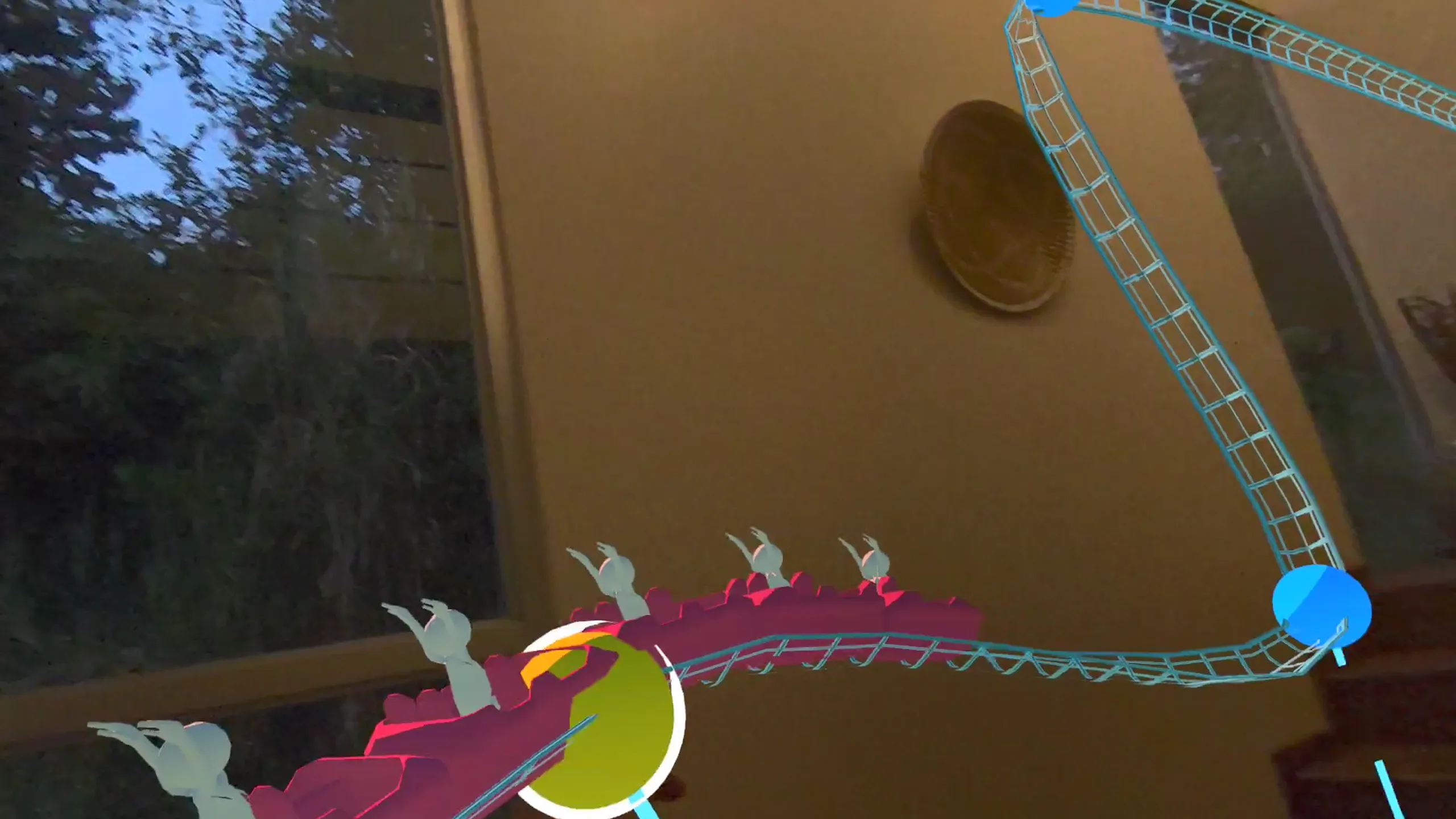
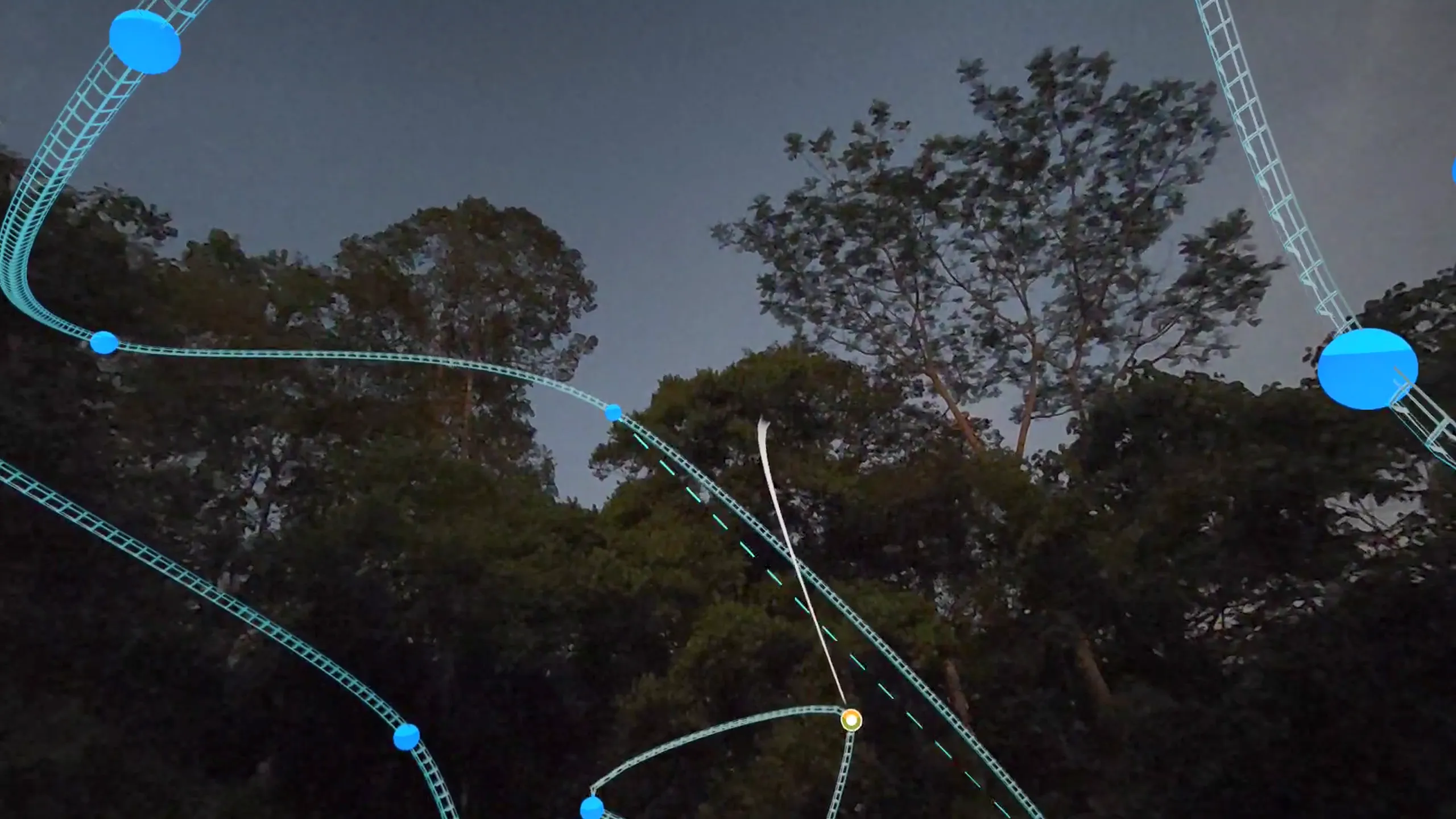
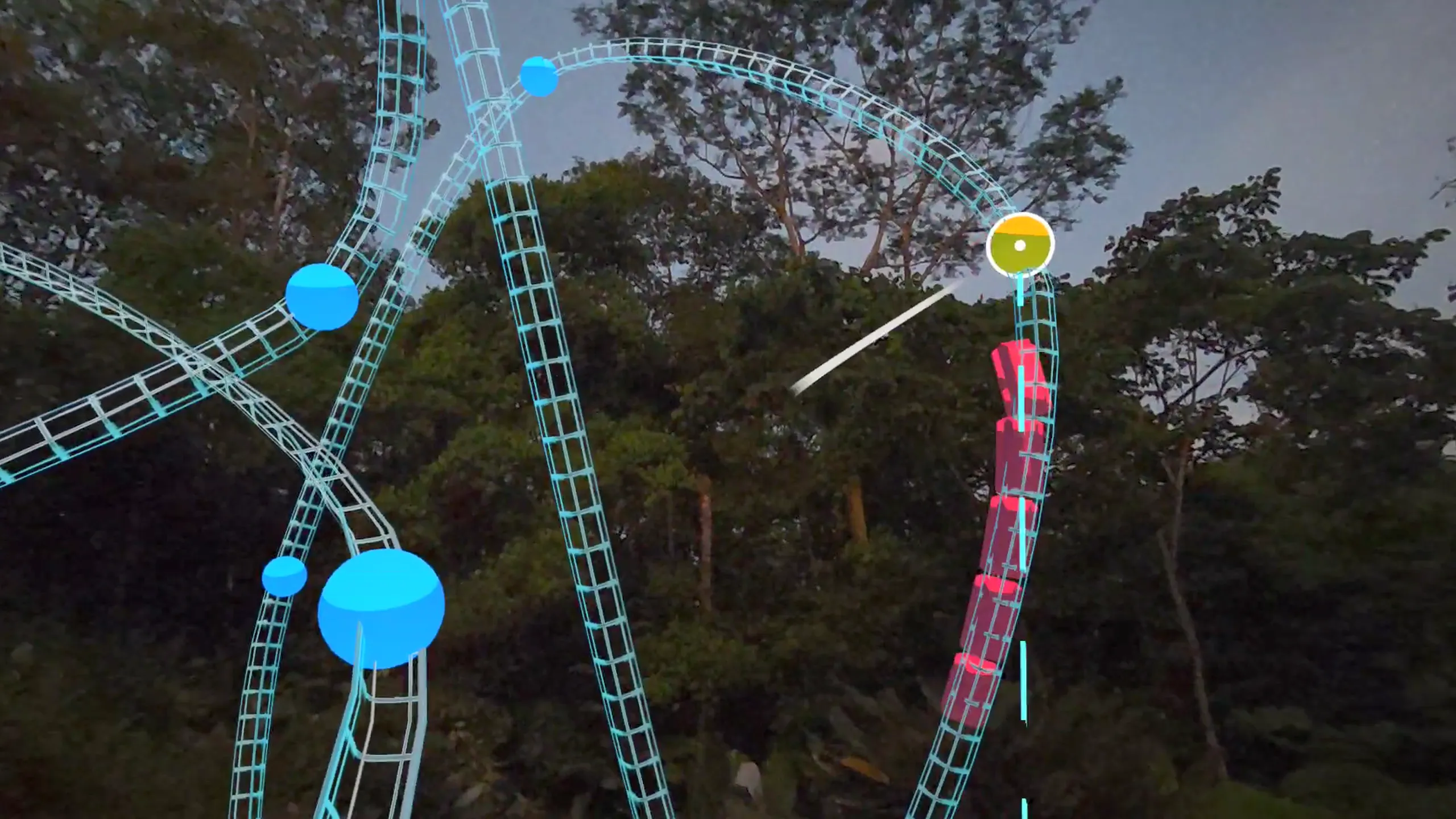
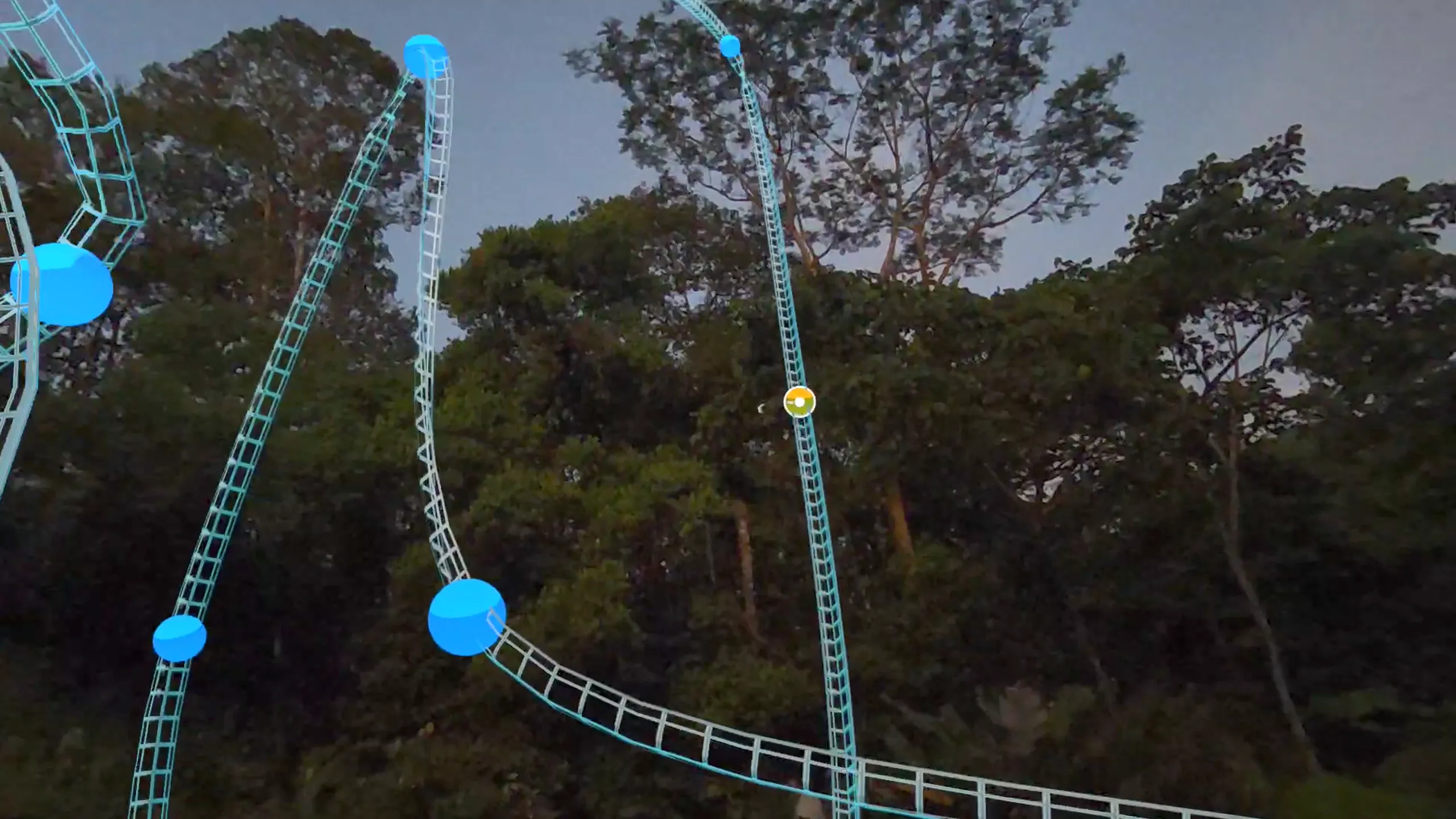
Crazy Coaster is a VR roller coaster editor built in Unity for the Meta Quest platform, developed as a solo project from concept to release. The game lets you design and ride your very own roller coasters from the comfort of your living room, combining intuitive track editing tools with physics-based coaster simulation for a thrilling and endlessly replayable experience. Using the VR controllers, players place track segments, loops, corkscrews, and drops to construct increasingly wild coaster layouts. Once built, you can hop into the front seat and experience every twist and turn in full immersive VR.
Building It Solo
As the sole developer on Crazy Coaster, I owned every aspect of the project from initial concept and prototyping through to Meta Quest store submission and post-launch support. I designed and implemented the entire track editor system, which allows players to snap together modular track pieces in 3D space using natural VR hand interactions. I built the physics simulation engine that calculates coaster speed, momentum, and G-forces based on track geometry, ensuring each ride feels physically plausible and thrilling. I created the complete UI/UX system for VR, including floating menus, track piece selection palettes, and contextual tooltips that guide new players through the building process. I also handled all 3D modeling for track segments using Blender, designed the visual environments surrounding the coaster, implemented the audio system with dynamic wind and rail sounds that respond to speed, and managed the entire submission process for the Meta Quest store including compliance with Meta's technical requirements and comfort guidelines.
Making a Track Editor Feel Natural in VR
Building a track editor that feels intuitive in VR presented unique interaction design challenges. Unlike traditional screen-based editors, every action must feel natural in 3D space without relying on keyboard shortcuts or mouse precision. I developed a snap-point system where track segments automatically align and connect when brought close together, with haptic feedback confirming successful connections. The physics engine was another significant challenge — calculating realistic coaster dynamics including gravity, centripetal force, friction, and momentum required careful tuning to feel authentic without making the experience nauseating. I implemented multiple comfort modes including adjustable vignette intensity during high-speed sections, optional camera smoothing that reduces rotational jolts, and a static reference frame option for highly sensitive riders. Performance optimization for the standalone Meta Quest hardware was critical, as the game needed to maintain a stable 72 FPS while rendering complex track geometries, environmental detail, and real-time physics calculations — all without the benefit of a tethered PC. I employed aggressive LOD management, GPU instancing for repeated track segments, and baked lighting to stay within the Quest's mobile GPU budget.
Shipping It
Crazy Coaster shipped on the Meta Quest store as a solo project, from initial prototype through store compliance and post-launch support. The comfort modes — adjustable vignette, camera smoothing, a static-reference-frame option — were built specifically because standalone VR coaster experiences are an easy way to make players uncomfortable, and getting those right, rather than any single flashy feature, is what I'd call the real deliverable of this project.
Project Videos
Screenshots